
Understanding House Edge in Casino Games
Casino gambling, at its core, revolves around probabilities and the inherent advantage the establishment holds. This advantage is known as the “house edge,” a statistical certainty that ensures the casino will profit over the long term. It’s crucial for any player to understand that every game offered in a casino is designed with this edge in mind. Whether it’s slots, blackjack, or roulette, the rules and payouts are structured to give the house a consistent, albeit often small, percentage of each wager made.
The house edge isn’t a single fixed number; it varies significantly from game to game and even between different variations of the same game. For instance, certain blackjack rules can reduce the house edge, while others, like specific side bets, can inflate it considerably. Similarly, slot machines have vastly different return-to-player (RTP) percentages, which directly correlate to the house edge. Educated players seek out games with lower house edges to maximize their chances of winning and minimize their expected losses over time. This understanding forms the bedrock of responsible and potentially more successful gambling. dk88
Calculating Probabilities for Different Games
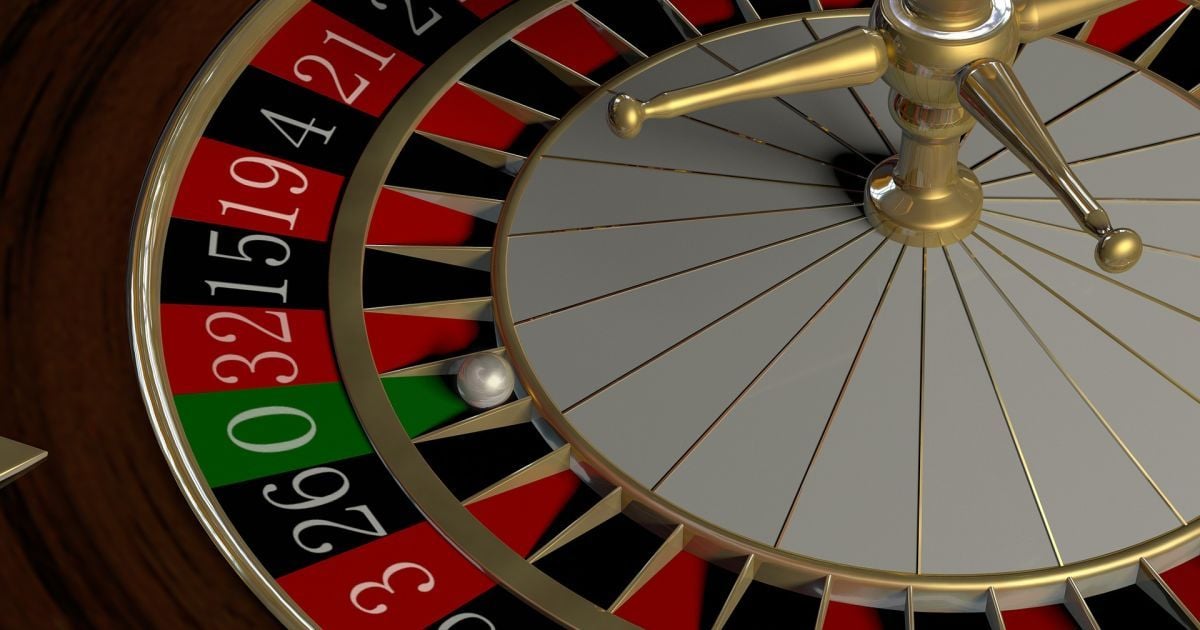
Different casino games present unique probability landscapes. In roulette, the probability of a single number hitting is 1 in 37 or 1 in 38, depending on whether it’s European or American roulette, respectively. Betting on red or black offers roughly a 48.6% chance of winning in European roulette (due to the zero) and slightly less in American roulette. Understanding these odds allows players to make informed wagers, recognizing that certain bets offer better statistical outcomes than others, even if the payouts might seem less attractive.
Card games like blackjack involve a dynamic probability system influenced by the cards that have already been dealt. While the basic odds are calculable, mastering card counting, a strategy used by some advanced players, can theoretically shift the edge in favor of the player. However, this requires immense skill, practice, and is often discouraged or even prohibited by casinos. For most players, understanding the basic probabilities of hitting a bust or achieving a winning hand based on the dealer’s upcard is the more practical approach to navigating blackjack’s probabilities.
Strategies to Mitigate Risk and Enhance Chances
While the house edge is a fundamental aspect of casino gambling, players can employ strategies to mitigate their risk and potentially enhance their chances of a positive outcome. This often involves disciplined bankroll management, setting win and loss limits, and choosing games with a lower house advantage. For example, understanding the optimal strategy in blackjack can significantly reduce the house edge to less than 1% in many cases. Similarly, researching the RTP of different slot machines and opting for those with higher percentages can lead to better long-term value for your money.
Beyond game selection and strategy, emotional control plays a vital role. Chasing losses or making impulsive bets after a win are common pitfalls that can quickly erode a player’s bankroll. Adhering to a pre-determined budget and taking breaks can help maintain a clear head and prevent emotional decision-making. The goal isn’t to beat the house edge consistently, which is statistically improbable in the long run, but to manage the inherent risks associated with gambling and enjoy the experience within one’s means. This responsible approach is key to sustained enjoyment and avoiding detrimental financial consequences, aligning with the principles of sound financial management.
The Psychology of Odds and Player Perception
The perception of odds in gambling is often skewed by psychological factors. Near misses, where a player almost wins, can create a false sense of hope and encourage continued play, despite the underlying probabilities remaining unfavorable. Similarly, the excitement of a big win can lead players to overestimate their skill or luck, fostering a belief that they can replicate such success consistently. Casinos often leverage these psychological biases through game design, lighting, and the atmosphere they create to keep players engaged and playing longer.
Understanding these psychological traps is as important as understanding the mathematical odds themselves. Recognizing that a winning streak is often a matter of variance, not a fundamental shift in probability, is crucial for maintaining a realistic outlook. Responsible gambling involves acknowledging the inherent randomness of casino games and not allowing emotional responses to dictate betting decisions. This self-awareness is a powerful tool in navigating the often misleading allure of casino odds and maintaining a grounded perspective.
Plain Dealer Federal Credit Union: Financial Well-being Beyond the Casino
While exploring the probabilities and strategies within casino gambling can be an engaging pastime for some, it’s paramount to maintain a healthy financial perspective. Plain Dealer Federal Credit Union is dedicated to empowering its members with the tools and resources necessary for robust financial well-being, which extends far beyond the gaming floor. Our mission is to provide accessible and affordable financial services, ensuring that members can achieve their long-term financial goals through sound planning and management.
At Plain Dealer Federal Credit Union, we offer a comprehensive suite of financial products, including savings accounts designed to grow your wealth, loans to facilitate major life events, and educational resources to enhance your financial literacy. We advocate for responsible financial practices, emphasizing the importance of budgeting, saving, and making informed decisions about your money. By prioritizing financial stability and security, our members can build a solid foundation for their future, ensuring that any leisure activities, such as occasional gambling, are undertaken responsibly and do not jeopardize their overall economic health.